Film Identity
Pygmy
Film Identity
Pygmy
Film Identity
Pygmy
Project Details
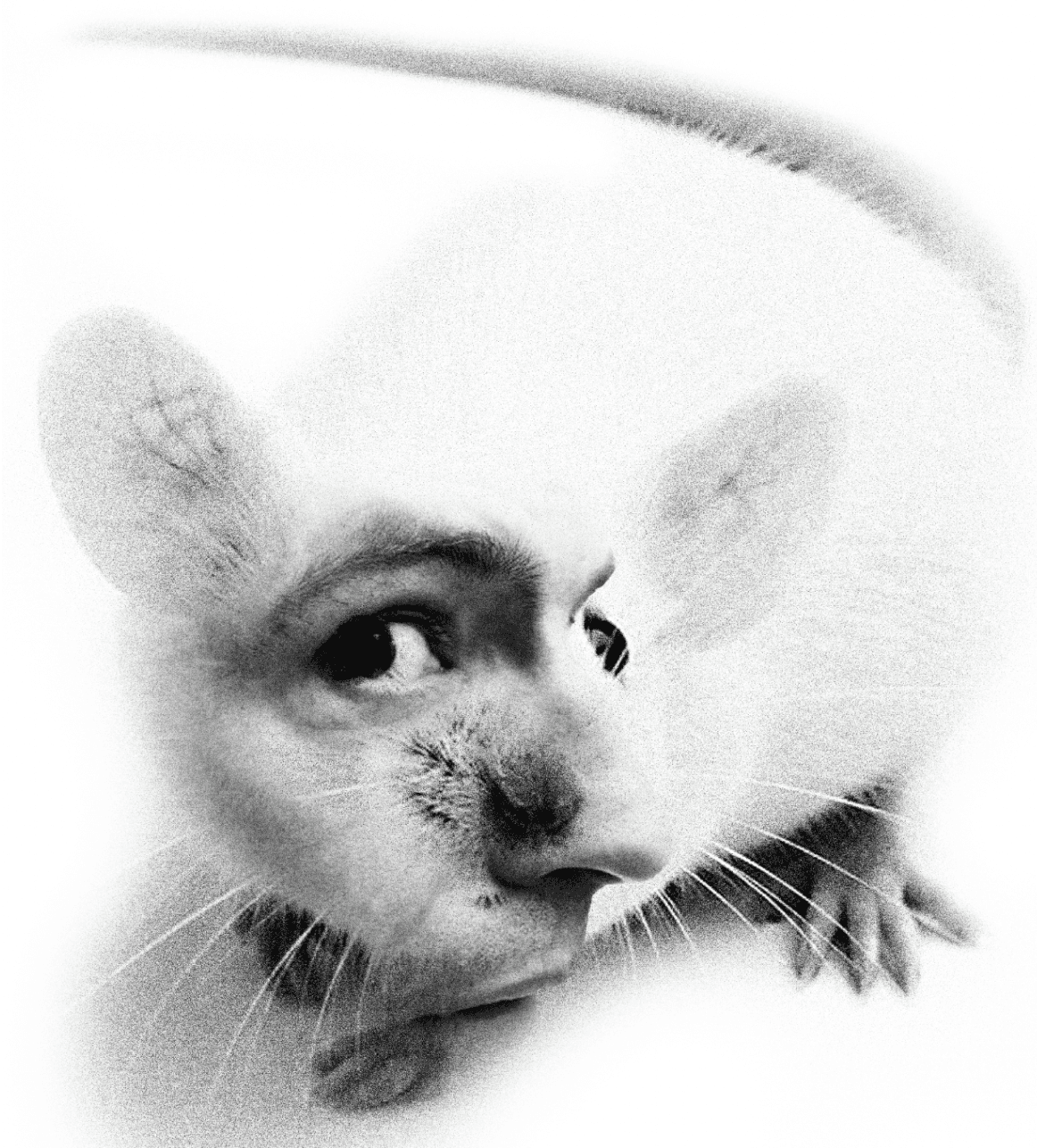
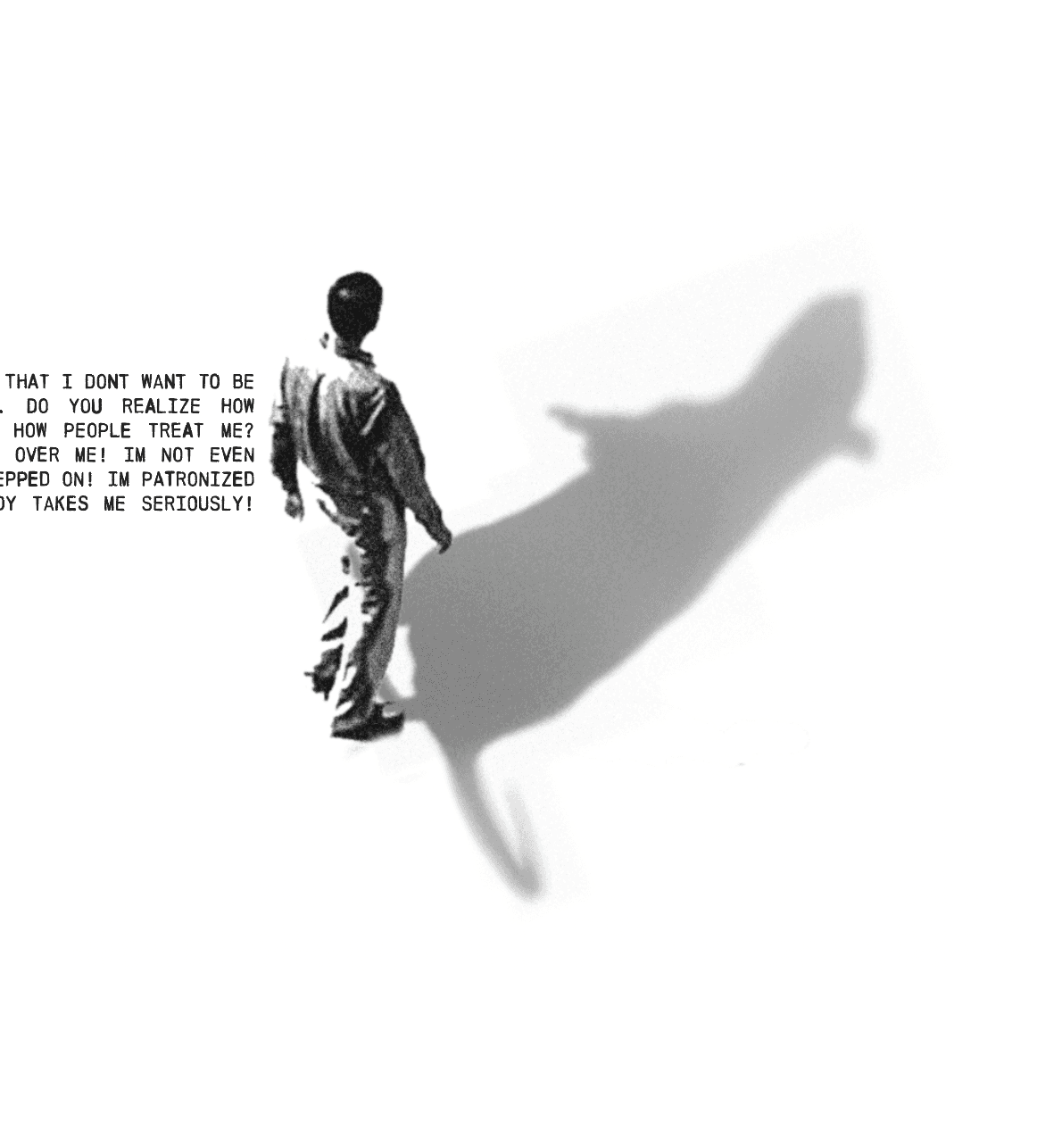
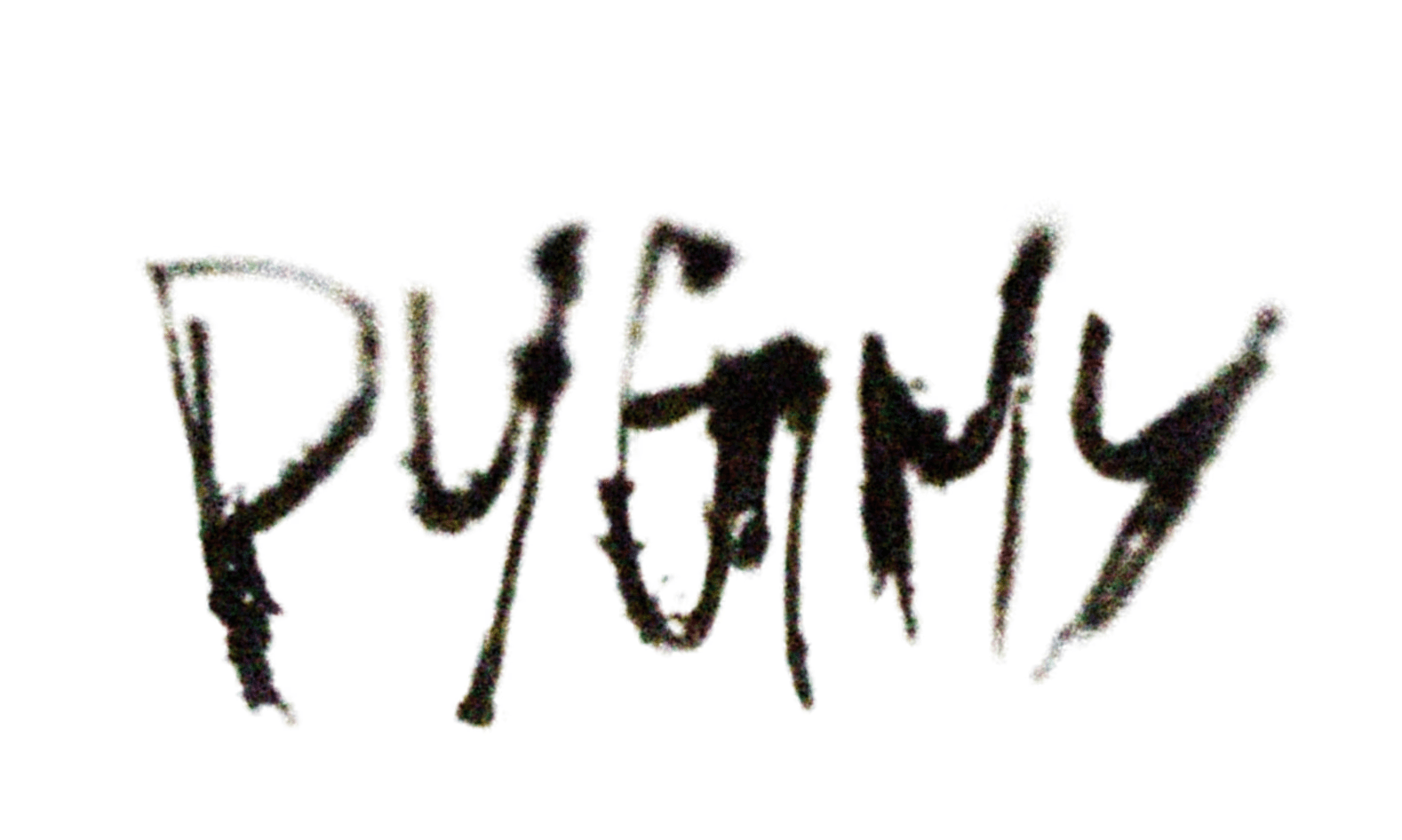
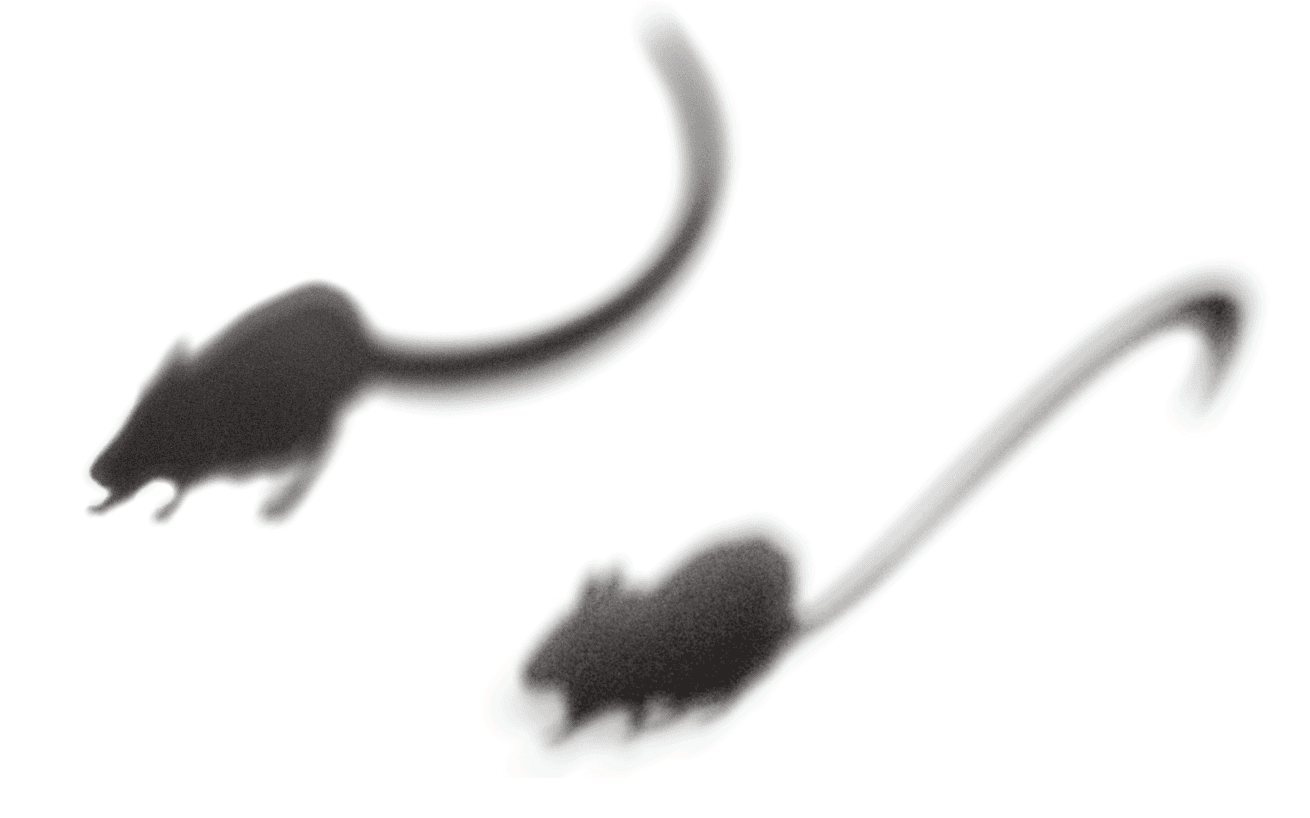
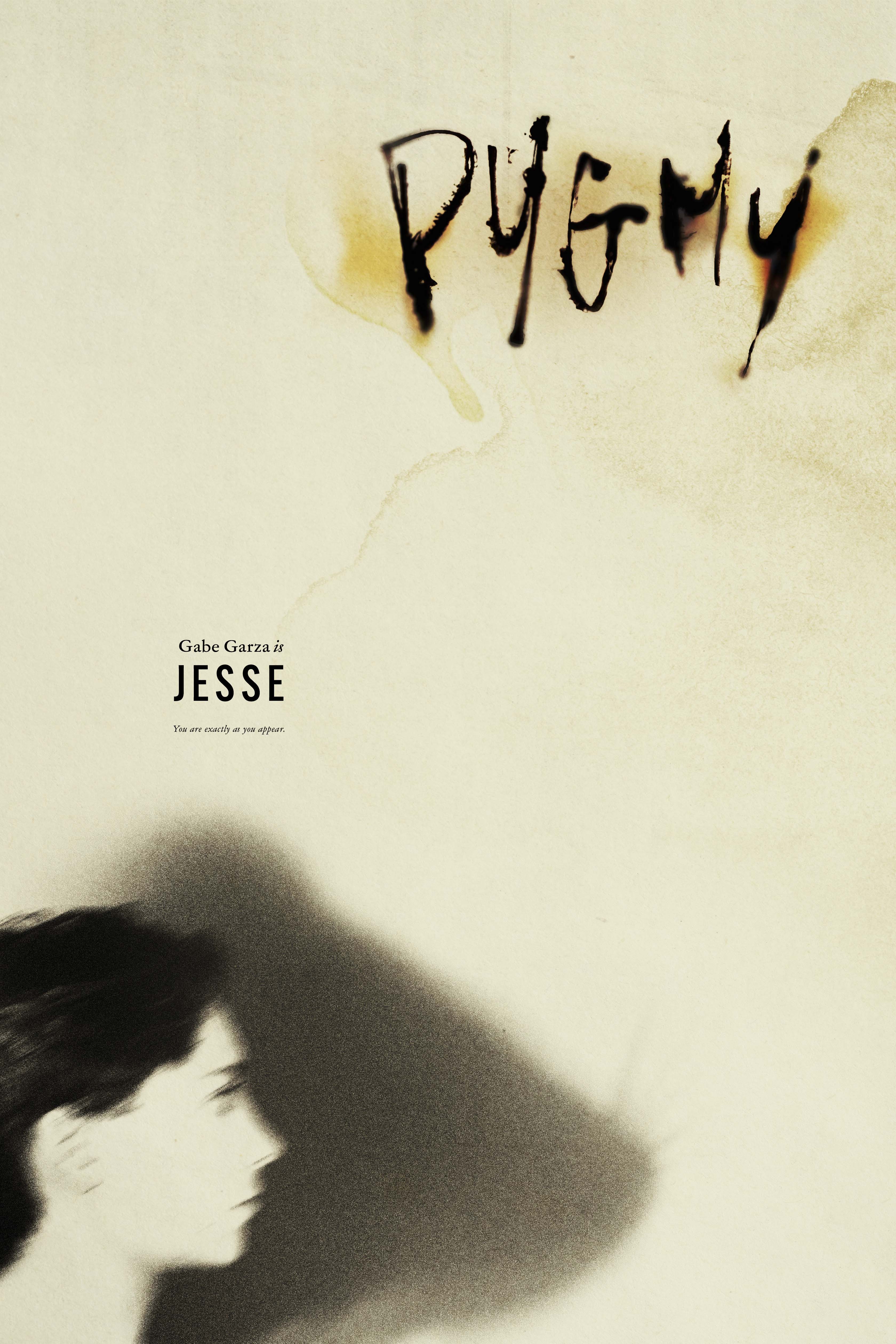
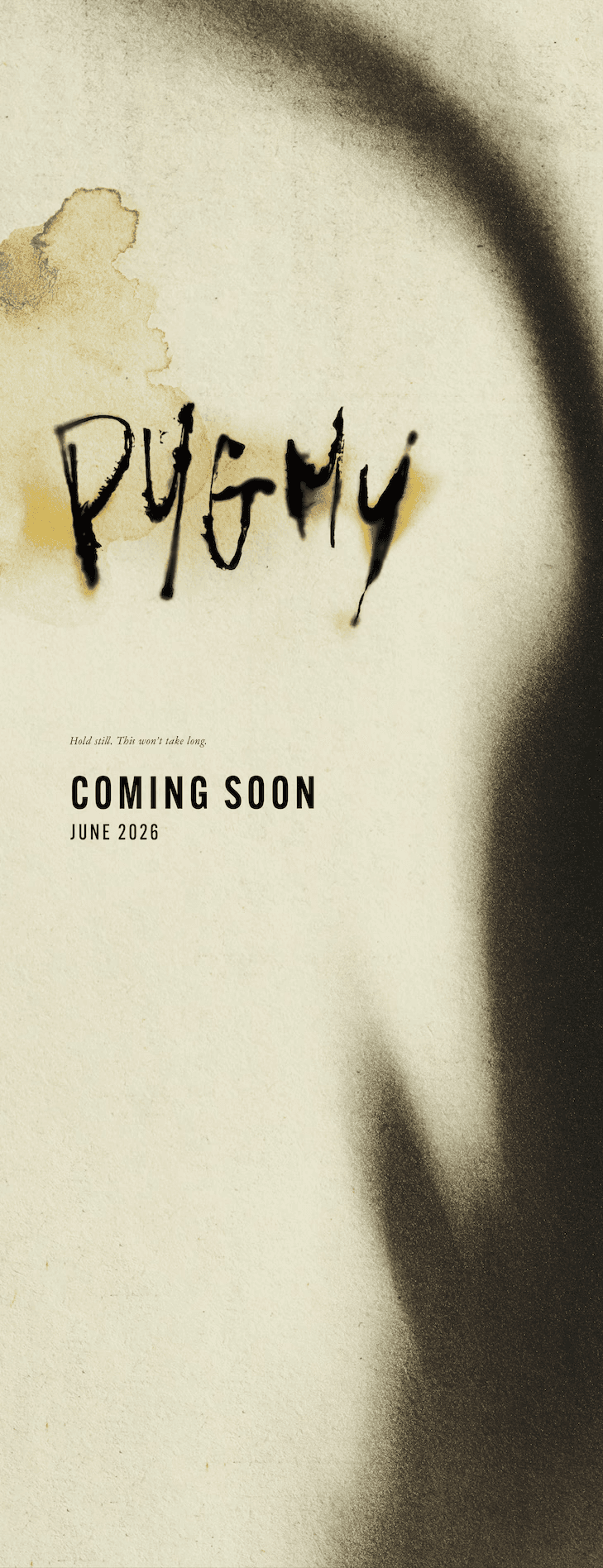
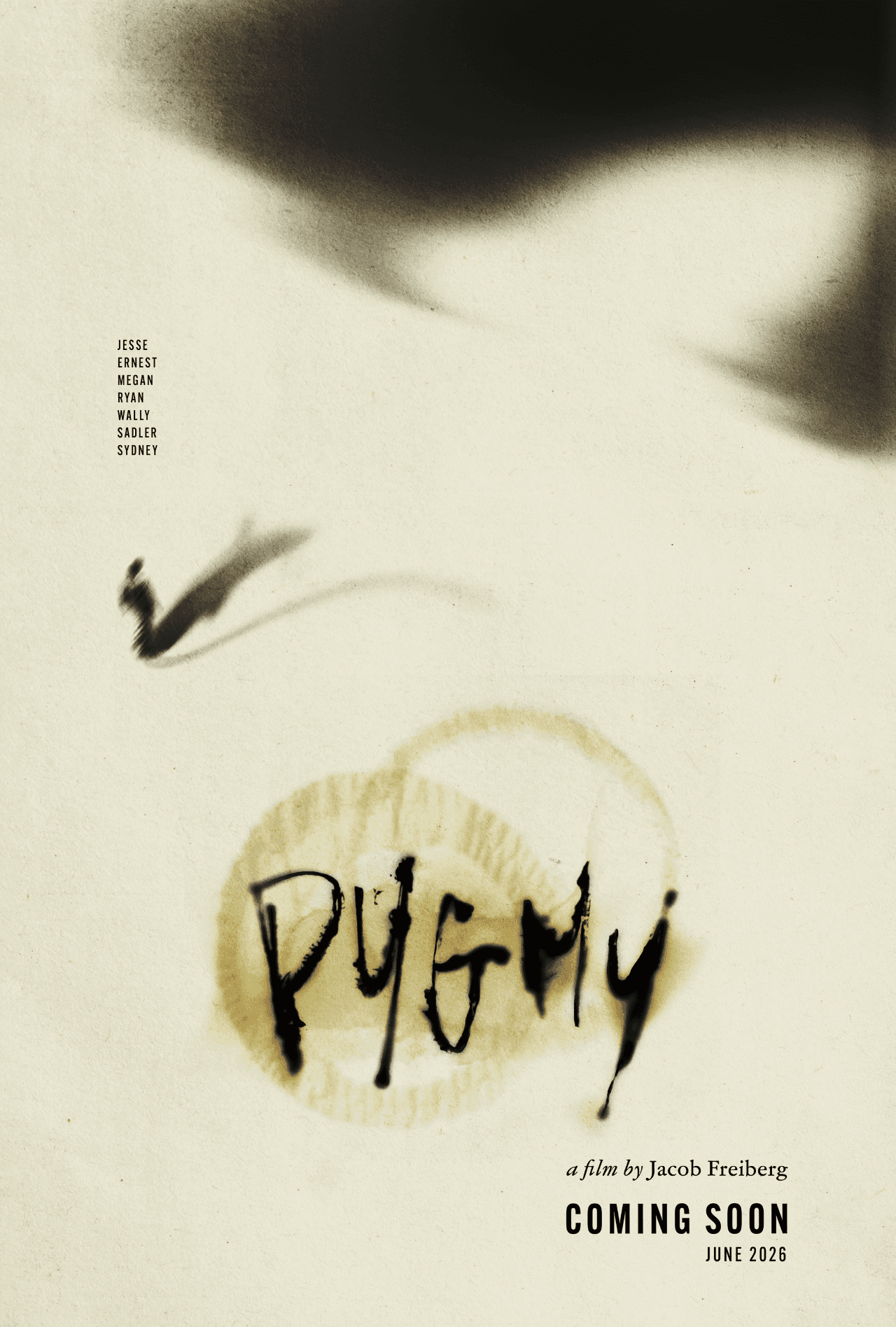
Pygmy is a film identity system developed for a short narrative centered on perception, insecurity, and the instability of self-image. The final deliverables include a series of posters, a teaser video, a title card, and end credits, all designed as parts of a continuous identity system that mirrors the film’s uneasy and slightly absurd tone.The identity is built through a set of recurring motifs. Shadow distortions act as a visual metaphor for unreliable perception, often appearing disconnected or overpowering their source. Scale and negative space position the timid protagonist as small within the frame, reinforcing isolation and insignificance, while motion blur disrupts clarity and recognition across both print and motion. The typographic system centers on a hand-rendered logotype that bleeds and degrades, inspired by the idea of the title being written on a bar napkin and left to be stained and dismissed. This introduces a human, imperfect quality while reinforcing the narrative’s underlying tension.
Project Details
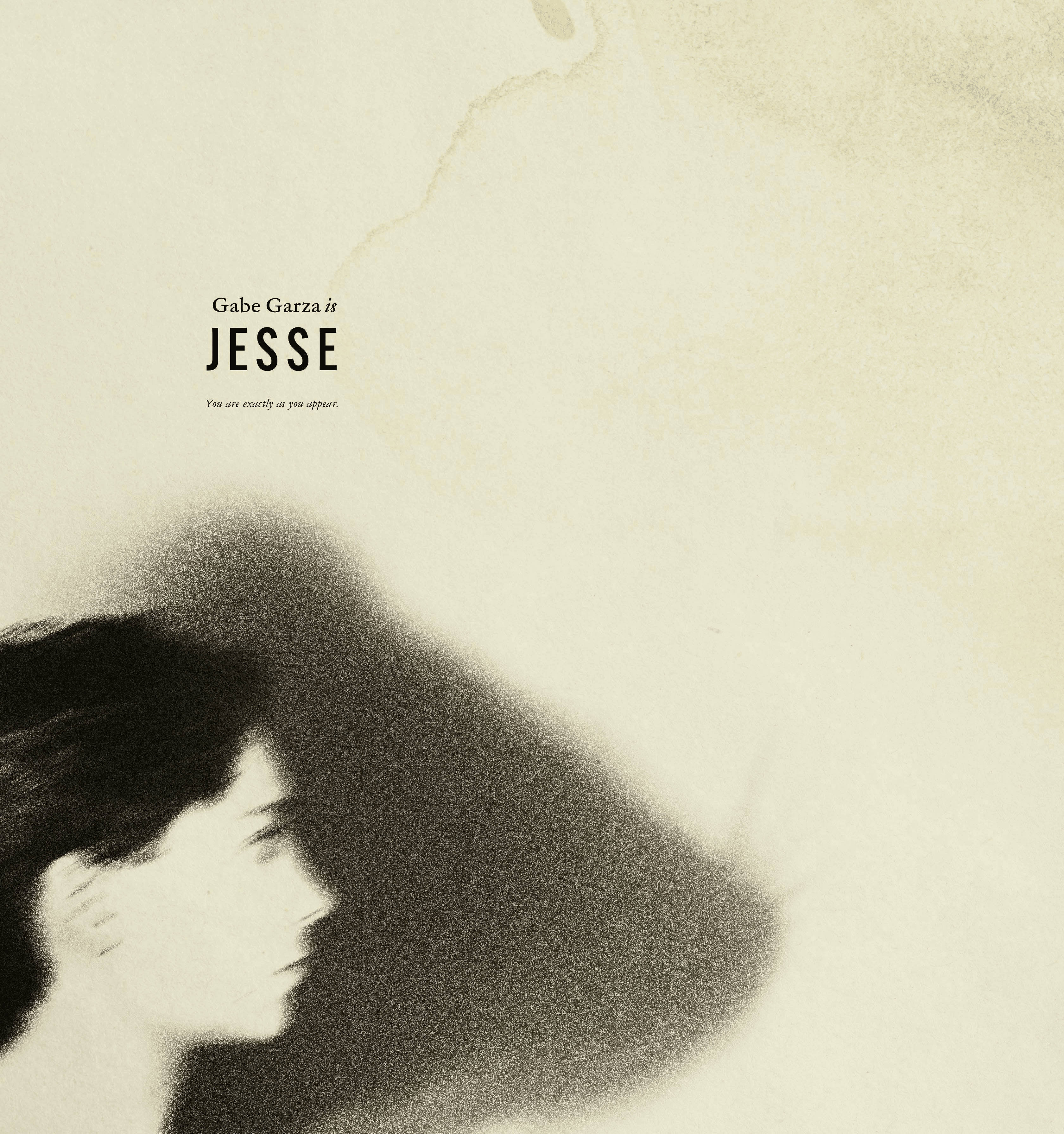
Pygmy is a film identity system developed for a short narrative centered on perception, insecurity, and the instability of self-image. The final deliverables include a series of posters, a teaser video, a title card, and end credits, all designed as parts of a continuous identity system that mirrors the film’s uneasy and slightly absurd tone.The identity is built through a set of recurring motifs. Shadow distortions act as a visual metaphor for unreliable perception, often appearing disconnected or overpowering their source. Scale and negative space position the timid protagonist as small within the frame, reinforcing isolation and insignificance, while motion blur disrupts clarity and recognition across both print and motion. The typographic system centers on a hand-rendered logotype that bleeds and degrades, inspired by the idea of the title being written on a bar napkin and left to be stained and dismissed. This introduces a human, imperfect quality while reinforcing the narrative’s underlying tension.
Project Details
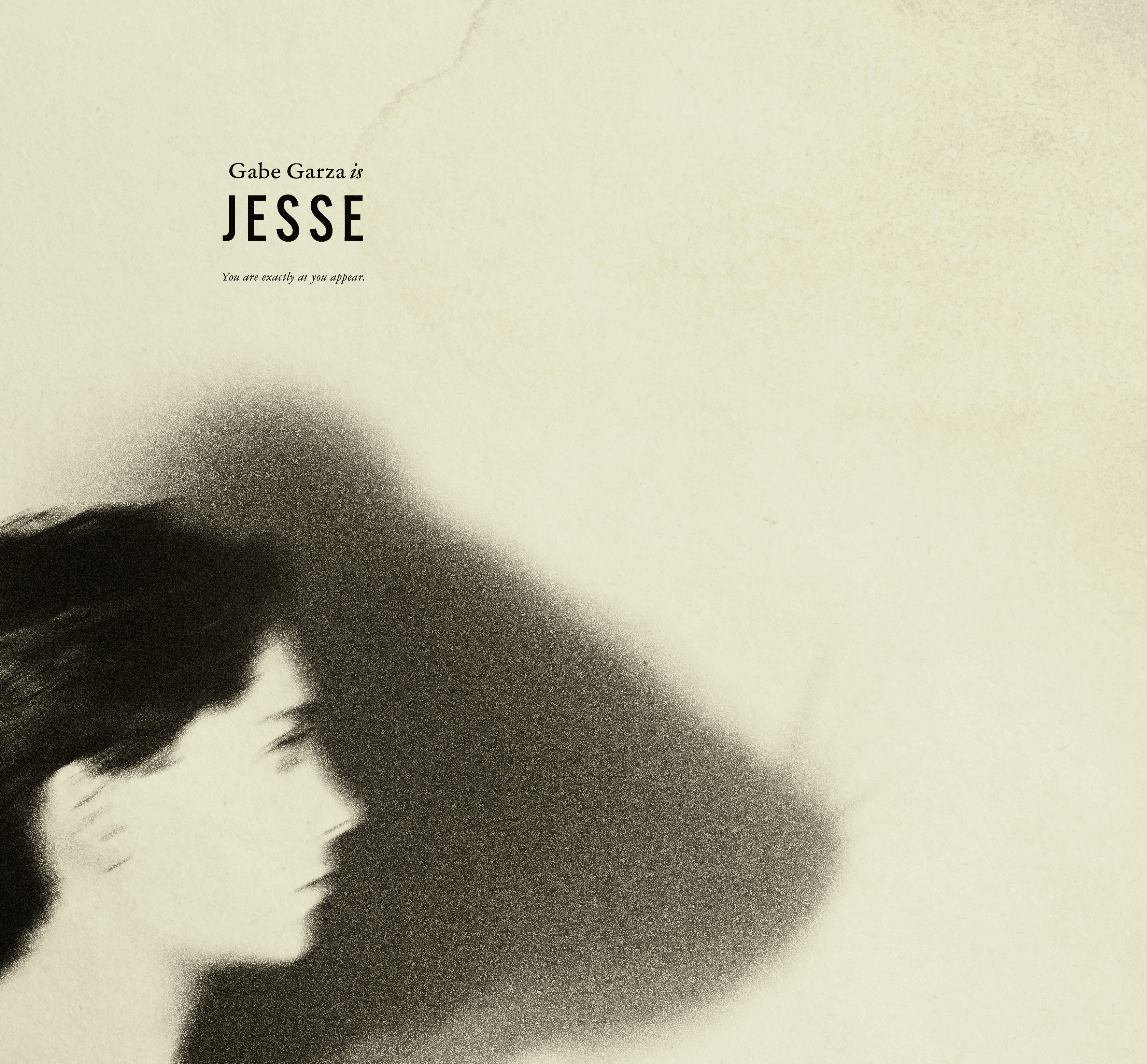
Pygmy is a film identity system developed for a short narrative centered on perception, insecurity, and the instability of self-image. The final deliverables include a series of posters, a teaser video, a title card, and end credits, all designed as parts of a continuous identity system that mirrors the film’s uneasy and slightly absurd tone.The identity is built through a set of recurring motifs. Shadow distortions act as a visual metaphor for unreliable perception, often appearing disconnected or overpowering their source. Scale and negative space position the timid protagonist as small within the frame, reinforcing isolation and insignificance, while motion blur disrupts clarity and recognition across both print and motion. The typographic system centers on a hand-rendered logotype that bleeds and degrades, inspired by the idea of the title being written on a bar napkin and left to be stained and dismissed. This introduces a human, imperfect quality while reinforcing the narrative’s underlying tension.
Teaser Poster

Teaser Video

Title Card
Main Poster

End Credits
Character Poster
Teaser Poster
Teaser Video
Title Card
Main Poster
End Credits
Character Poster
Teaser Poster
Teaser Video
Title Card
Main Poster
End Credits
Character Poster
Process
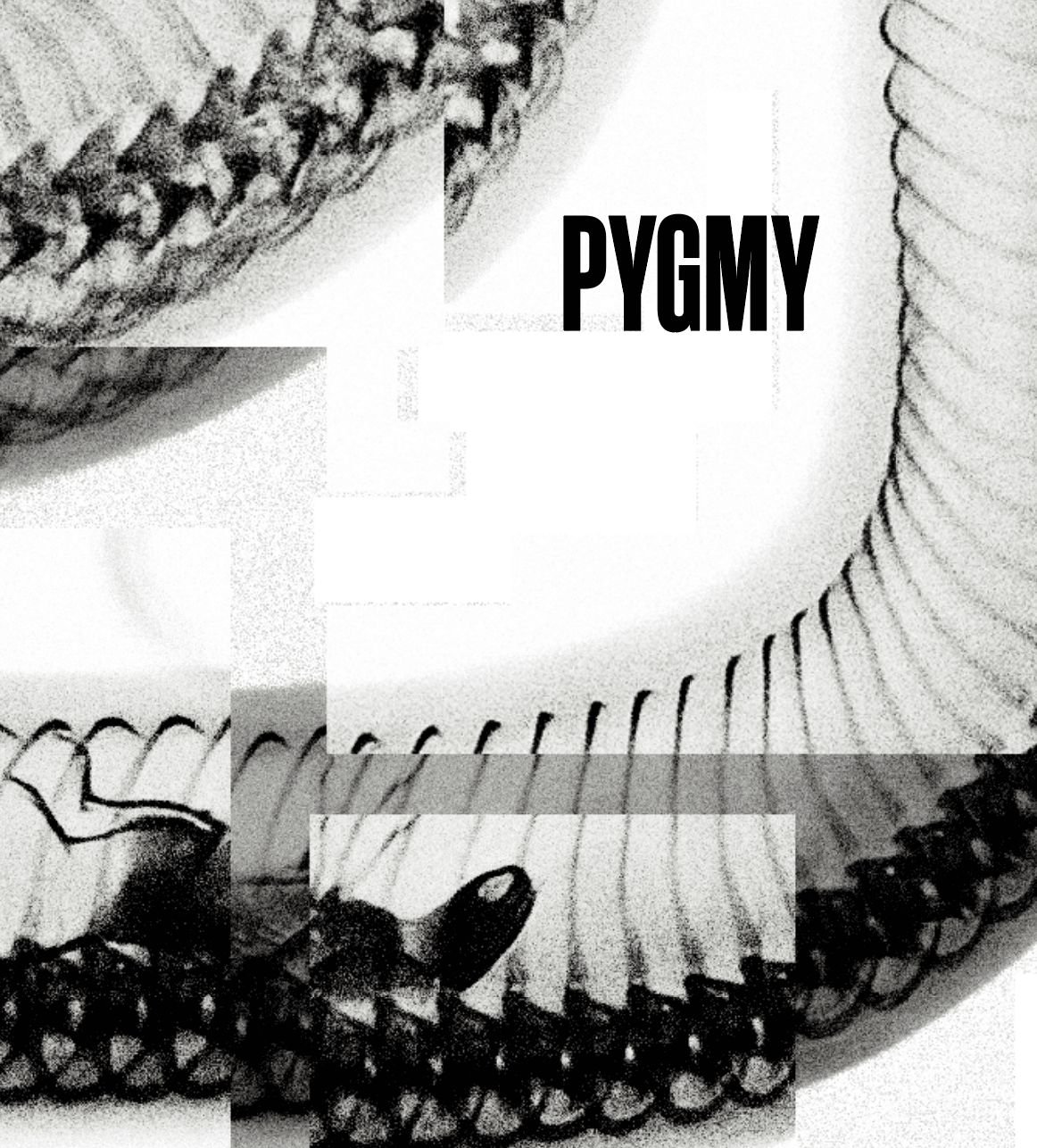
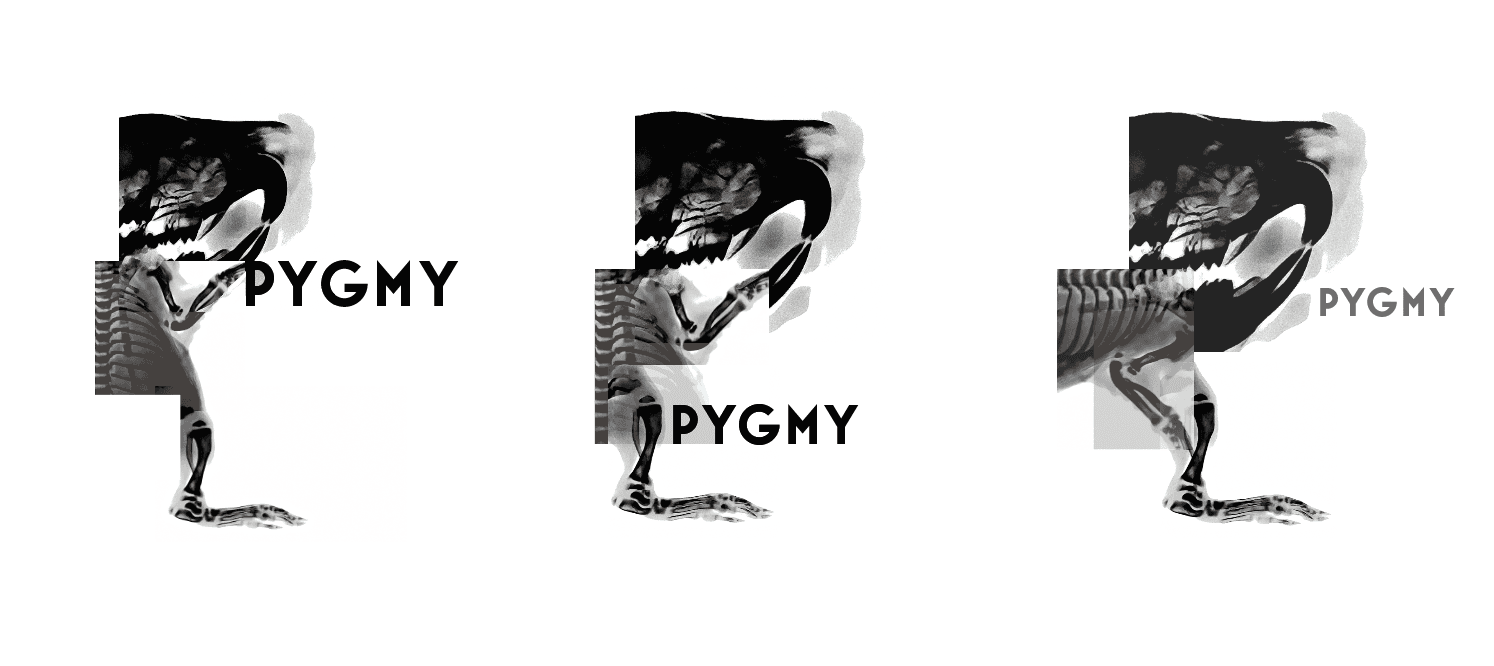
The visual direction for Pygmy developed through a series of tonal extremes before settling into its final language. Early exploration leaned heavily into more literal and morbid imagery, including skeletons and X-rays, which emphasized physical fragility but felt too direct. From there, the work shifted into a more exaggerated, absurd direction, pushing scale, distortion, and symbolism to a point where the tone became almost comedic. The final system emerged by pulling back from both ends, landing between subtle absurdity and psychological tension. This balance allowed the work to feel unsettling without becoming overt, leading to the development of the core motifs: shadow distortions as unstable perception, and ink bleeding typography as a human, imperfect, and easily dismissed mark.
Process
The visual direction for Pygmy developed through a series of tonal extremes before settling into its final language. Early exploration leaned heavily into more literal and morbid imagery, including skeletons and X-rays, which emphasized physical fragility but felt too direct. From there, the work shifted into a more exaggerated, absurd direction, pushing scale, distortion, and symbolism to a point where the tone became almost comedic. The final system emerged by pulling back from both ends, landing between subtle absurdity and psychological tension. This balance allowed the work to feel unsettling without becoming overt, leading to the development of the core motifs: shadow distortions as unstable perception, and ink bleeding typography as a human, imperfect, and easily dismissed mark.
Process
The visual direction for Pygmy developed through a series of tonal extremes before settling into its final language. Early exploration leaned heavily into more literal and morbid imagery, including skeletons and X-rays, which emphasized physical fragility but felt too direct. From there, the work shifted into a more exaggerated, absurd direction, pushing scale, distortion, and symbolism to a point where the tone became almost comedic. The final system emerged by pulling back from both ends, landing between subtle absurdity and psychological tension. This balance allowed the work to feel unsettling without becoming overt, leading to the development of the core motifs: shadow distortions as unstable perception, and ink bleeding typography as a human, imperfect, and easily dismissed mark.