Book Covers
Sophocles’ Tragedies
Book Covers
Sophocles’ Tragedies
Book Covers
Sophocles’ Tragedies
Project Details
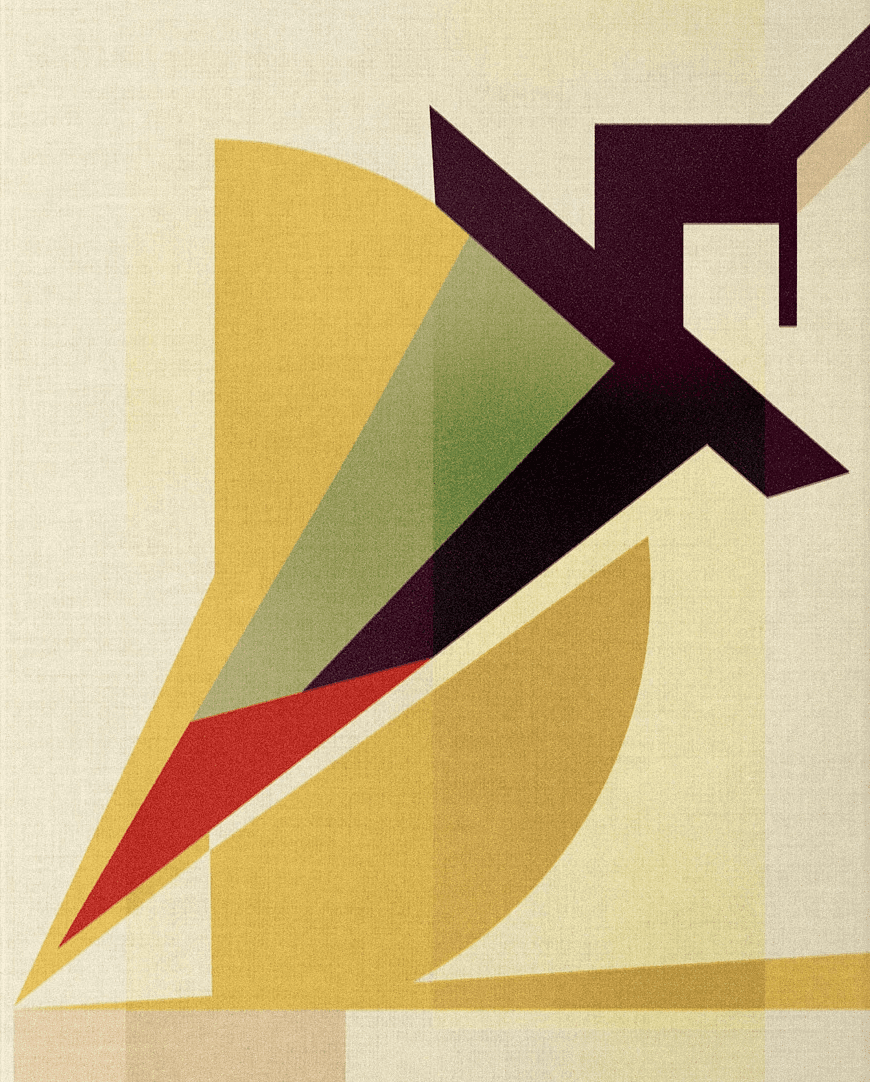
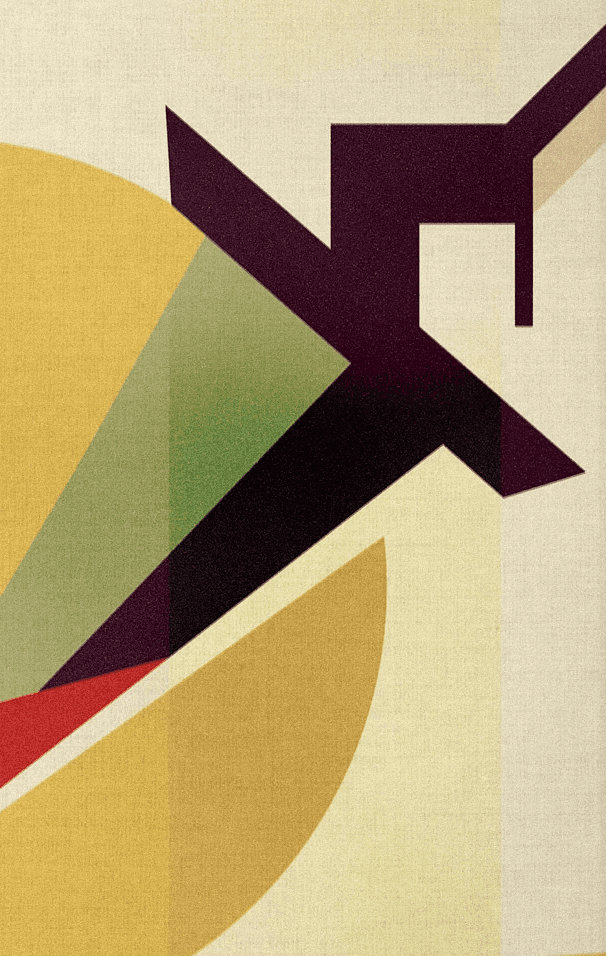
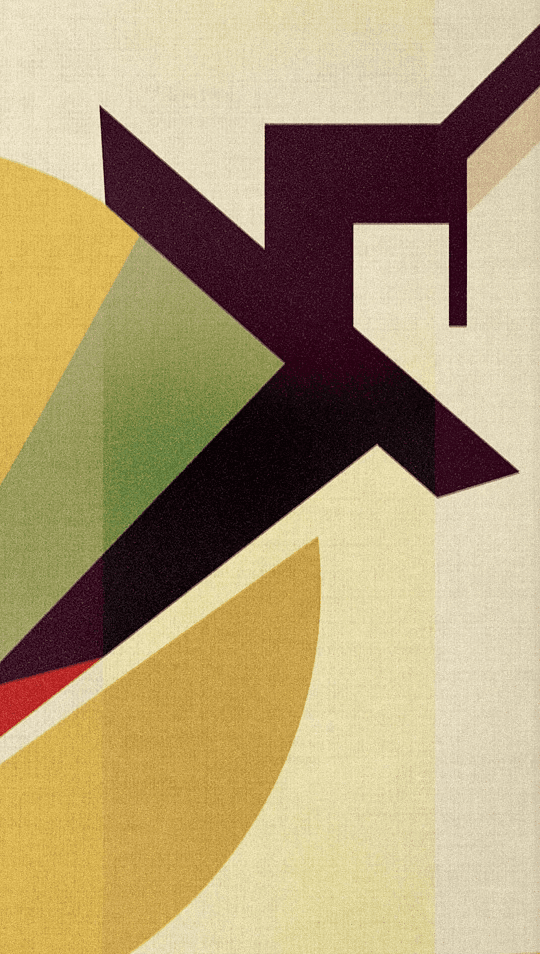
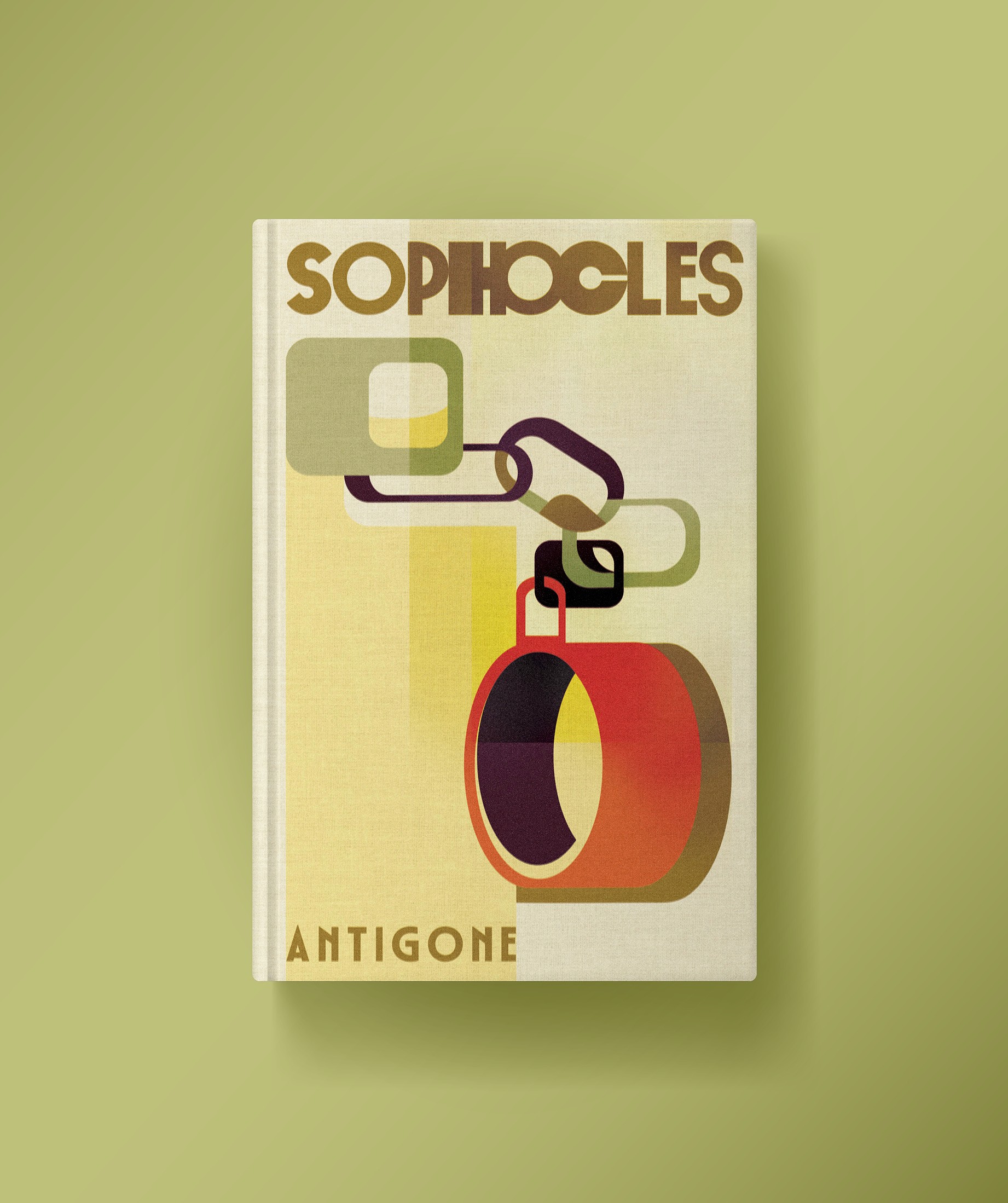
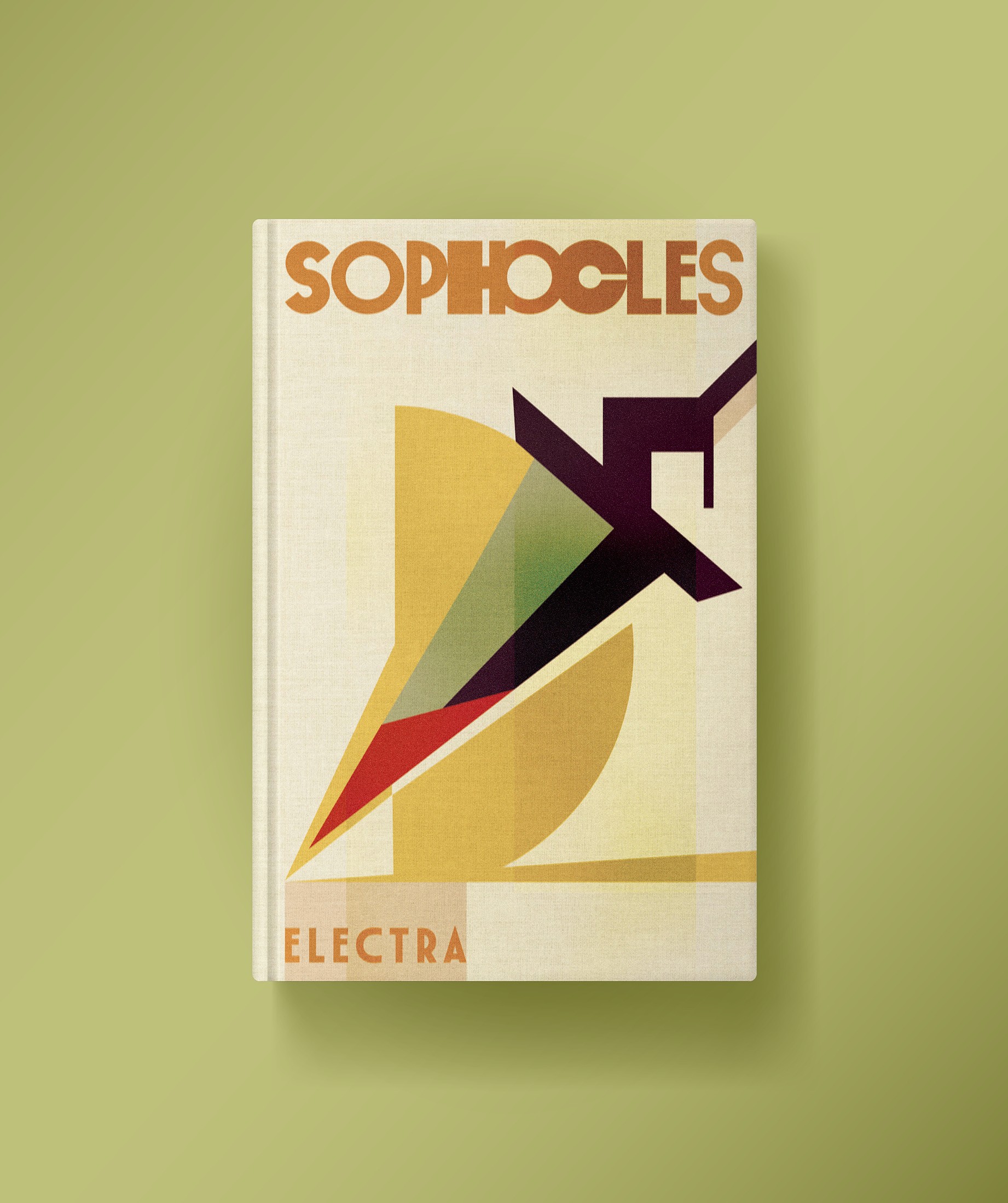
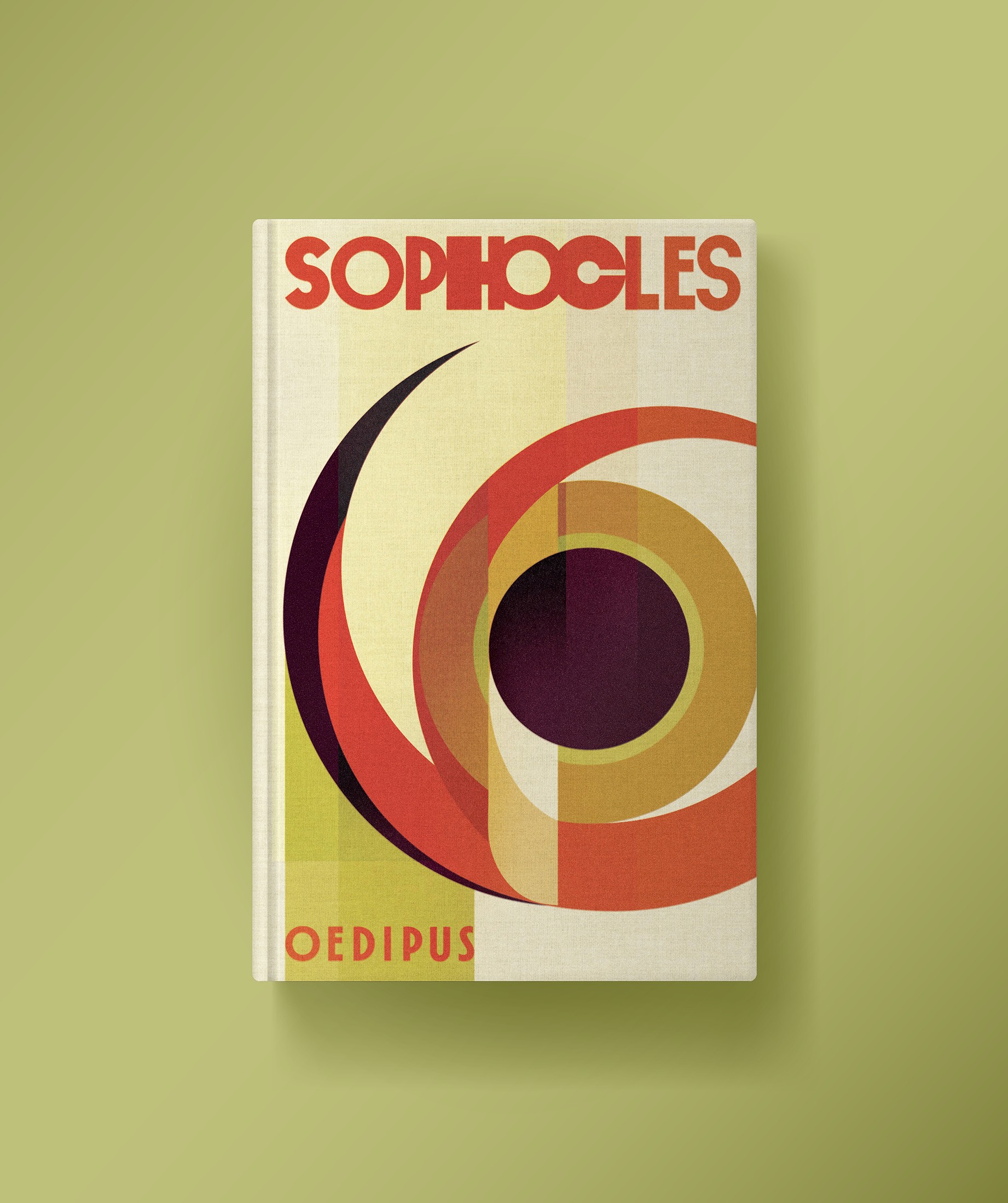
This book cover series translates each play into a single dominant symbol, built through layered geometric forms breaking apart or colliding. Antigone leans into connection and restriction through chain structures, Electra becomes more sharp and fractured, and Oedipus centers around a spiraling, eye form that references perception and fate. Across the series, “Sophocles” stays consistent and heavy at the top, acting like a fixed force over shifting narratives, which connects to the idea of characters existing under something larger and unavoidable. A lot of the visual direction came from constructivist and early modernist poster design, especially the way those movements use geometry and bold structure to communicate urgency and ideology. I was also looking at E. McKnight Kauffer and lithographic poster techniques, that relied on texture, layering, and flat color fields.
Project Details
This book cover series translates each play into a single dominant symbol, built through layered geometric forms breaking apart or colliding. Antigone leans into connection and restriction through chain structures, Electra becomes more sharp and fractured, and Oedipus centers around a spiraling, eye form that references perception and fate. Across the series, “Sophocles” stays consistent and heavy at the top, acting like a fixed force over shifting narratives, which connects to the idea of characters existing under something larger and unavoidable. A lot of the visual direction came from constructivist and early modernist poster design, especially the way those movements use geometry and bold structure to communicate urgency and ideology. I was also looking at E. McKnight Kauffer and lithographic poster techniques, that relied on texture, layering, and flat color fields.
Project Details
This book cover series translates each play into a single dominant symbol, built through layered geometric forms breaking apart or colliding. Antigone leans into connection and restriction through chain structures, Electra becomes more sharp and fractured, and Oedipus centers around a spiraling, eye form that references perception and fate. Across the series, “Sophocles” stays consistent and heavy at the top, acting like a fixed force over shifting narratives, which connects to the idea of characters existing under something larger and unavoidable. A lot of the visual direction came from constructivist and early modernist poster design, especially the way those movements use geometry and bold structure to communicate urgency and ideology. I was also looking at E. McKnight Kauffer and lithographic poster techniques, that relied on texture, layering, and flat color fields.
Process
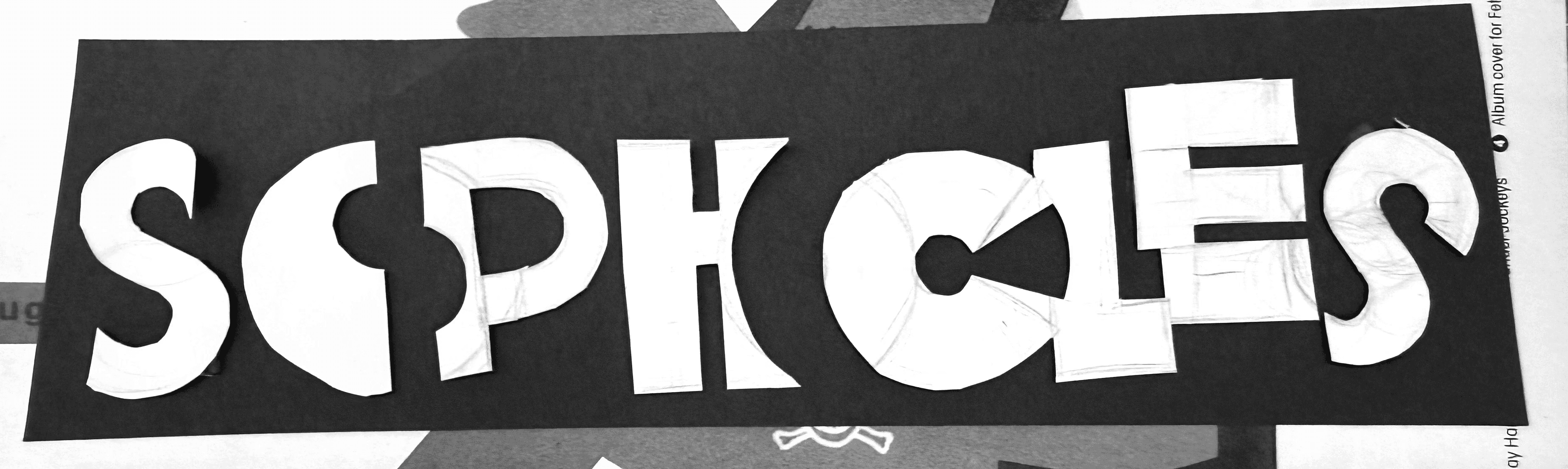
This series started with hands-on paper experiments where I physically cut, rearranged, and rebuilt Sophocles’ name to function more like a geometric form than text. I kept pushing scale, spacing, and fragmentation through collage and scanning. Those early arrangements informed how I built hierarchy and rhythm across the three posters.
Process
This series started with hands-on paper experiments where I physically cut, rearranged, and rebuilt Sophocles’ name to function more like a geometric form than text. I kept pushing scale, spacing, and fragmentation through collage and scanning. Those early arrangements informed how I built hierarchy and rhythm across the three posters.
Process
This series started with hands-on paper experiments where I physically cut, rearranged, and rebuilt Sophocles’ name to function more like a geometric form than text. I kept pushing scale, spacing, and fragmentation through collage and scanning. Those early arrangements informed how I built hierarchy and rhythm across the three posters.